

Honouring Our Elders: A Guide to Caring for the Elderly in Nigeria

Our elders. They’ve nurtured us, guided us, and shaped the world we live in. Now, as they age, it’s our turn to care for them, to honour them, and to ensure their golden years are filled with dignity, respect, and love. Caring for the elderly is a deeply rewarding experience, but it also comes with its own set of challenges. This post aims to offer some guidance for families in Nigeria navigating this important phase of life.

Understanding the Needs of Our Elders:

As people age, their needs change. These can include:

  • Physical Health: Elders may experience age-related health issues, requiring regular medical check-ups, medication management, and sometimes specialized care. Common concerns include arthritis, diabetes, hypertension, and dementia.
  • Emotional and Mental Well-being: Loneliness, isolation, and depression are common among older adults. Maintaining social connections, engaging in stimulating activities, and providing emotional support are crucial.
  • Practical Assistance: Many elders may need help with daily tasks like cooking, cleaning, bathing, and dressing.
  • Financial Security: Ensuring our elders have access to adequate financial resources for their needs is essential.

Key Aspects of Elder Care in Nigeria:

  • Respect and Reverence: In Nigerian culture, we hold our elders in high esteem. This respect should be reflected in every aspect of their care.
  • Family Support: Traditionally, care for the elderly is a family responsibility. Family members often pool resources and share caregiving duties.
  • Community Involvement: Churches, mosques, and other community organizations play a vital role in supporting the elderly and their families.
  • Professional Care: As the needs of our elders become more complex, professional caregivers, nurses, and doctors may be necessary. While access to these services can be challenging, it’s important to explore available options.

Practical Tips for Caring for the Elderly:

  • Regular Communication: Spend time with your elders, listen to their stories, and engage them in conversations. Combatting loneliness is vital.
  • Health Management: Ensure they have regular medical check-ups, assist with medication management, and accompany them to doctor’s appointments.
  • Nutritious Diet: Provide them with healthy, balanced meals that cater to their dietary needs.
  • Physical Activity: Encourage them to engage in gentle exercises suitable for their age and physical abilities. Even short walks can make a difference.
  • Mental Stimulation: Engage them in activities that stimulate their minds, such as reading, playing games, or participating in hobbies.
  • Social Interaction: Facilitate social connections by encouraging them to spend time with family, friends, and community members.
  • Create a Safe Environment: Ensure their home is safe and accessible, with modifications like grab bars and ramps if needed.
  • Patience and Understanding: Caring for the elderly requires patience, compassion, and understanding. Remember that they may be experiencing physical and emotional changes that can be challenging.
  • Seek Support: Don’t hesitate to ask for help from other family members, friends, or professional caregivers. Caregiving can be demanding, and it’s important to avoid burnout.

Let’s Honour Our Elders:

Caring for our elders is not just a duty; it’s an opportunity to give back to those who have given us so much. By providing them with love, respect, and support, we can ensure they live their golden years with dignity and joy. Let’s continue to uphold the values of respect for elders that are so deeply ingrained in our culture.

To support what we do at DAGOMO Foundation visit: https://dagomo.com

#ElderCare #NigerianElders #RespectOurElders #AgeingGracefully #FamilyCare

What are some other ways we can support the elderly in our communities? Share your thoughts in the comments below!

Top 5 Health Tips for Nigerians

  • Eat a healthy diet. This means eating plenty of fruits, vegetables, and whole grains. It is also important to limit your intake of processed foods, sugary drinks, and unhealthy fats.

  • Get regular exercise. Aim for at least 30 minutes of moderate-intensity exercise most days of the week.  

  • Get enough sleep. Most adults need 7-8 hours of sleep per night.

  • Manage stress. Stress can have a negative impact on your health. Find healthy ways to manage stress, such as yoga, meditation, or spending time in nature.  

  • See your doctor for regular checkups. This is important for maintaining good health and preventing disease.

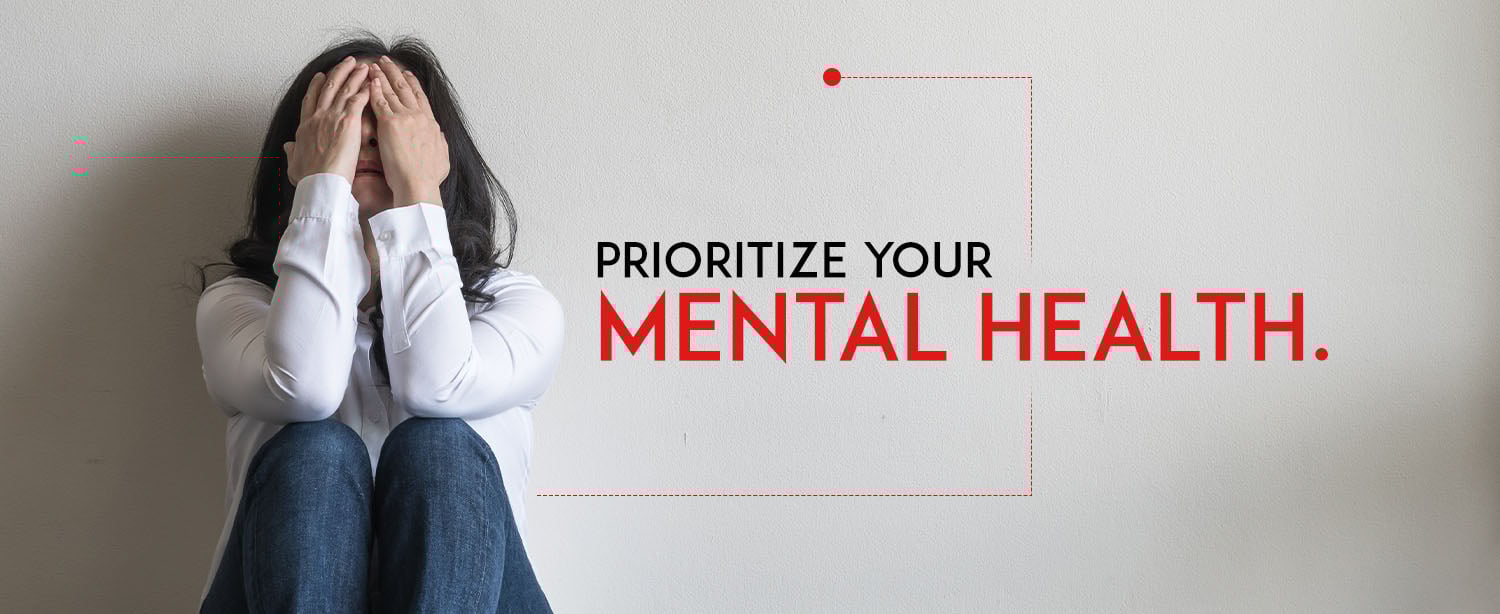
Taking Care of Our Minds: Mental Health Matters, Naija!


Hey Naija! How we dey? We dey hustle, we dey grind, we dey face challenges every day. But amidst everything, how are we really doing? Let’s talk about something that’s just as important as our physical health: our mental health.

For too long, mental health has been something we whisper about, something we shy away from. We hear “it’s not African” or “just pray about it.” But the truth is, mental health challenges don’t discriminate. Stress, anxiety, depression, and other mental health conditions affect people from all walks of life, regardless of age, tribe, or background. And ignoring it won’t make it go away.

Why should we talk about mental health in Nigeria?

  • We face unique stressors: From economic hardship and insecurity to the pressures of family and societal expectations, Nigerians face a lot. These can take a toll on our mental well-being.
  • Stigma prevents people from seeking help: The fear of being judged or labeled can stop people from getting the support they need. We need to break this stigma!
  • Mental health affects our overall well-being: Our mental health impacts how we think, feel, and act. It affects our relationships, our work, and our physical health. Taking care of our minds is taking care of our whole selves.

What can we do?

  • Educate ourselves: Learn about different mental health conditions and their symptoms. Understanding is the first step to seeking help.
  • Talk about it: Open up to trusted friends, family members, or a mental health professional. Sharing your struggles can be a huge relief. Don’t be afraid to ask for help.
  • Seek professional help: If you’re struggling, don’t hesitate to reach out to a qualified therapist, counselor, or psychiatrist. They can provide the support and treatment you need. There are resources available, even if access is limited. Start by searching online for mental health organizations in Nigeria.
  • Practice self-care: Prioritize activities that bring you joy and help you relax. This could be anything from exercise and healthy eating to spending time with loved ones or pursuing hobbies.
  • Support each other: Let’s create a safe space for people to talk about their mental health without fear of judgment. Check in on your friends and family. A simple “how are you doing?” can go a long way.

Let’s change the narrative!

Mental health is not a weakness. It’s a part of being human. Let’s break the silence and create a culture where seeking help for mental health is seen as a sign of strength, not weakness. Let’s prioritize our mental well-being, just as we do our physical health.

#MentalHealthMatters #NaijaMentalHealth #YouAreNotAlone #ItsOkayNotToBeOkay

Do you know of any mental health resources in Nigeria? Share them in the comments below! Let’s help each other out.

Cycling: A Great Way to Get Fit and Have Fun

Cycling is a great way to get fit and have fun. It is a low-impact activity that is easy on your joints, and it can help you burn calories and improve your cardiovascular health. Cycling is also a great way to explore your local area and see new places.

If you are new to cycling, there are a few things you need to know. First, you need to find a bike that fits you properly. Second, you need to learn how to ride safely. Third, you need to find some good cycling routes.

Once you have all of that, you are ready to start cycling!

Here are some tips for cycling:

  • Wear a helmet. This is the most important safety tip for cyclists.
  • Be aware of your surroundings. Pay attention to traffic and other cyclists.
  • Obey the traffic laws. This includes stopping at stop signs and red lights.
  • Use hand signals. This will help other drivers know what you are going to do.
  • Ride in a straight line. This will help you avoid being hit by cars.
  • Be courteous to other cyclists.

Cycling is a great way to get fit and have fun. It is a low-impact activity that is easy on your joints, and it can help you burn calories and improve your cardiovascular health. Cycling is also a great way to explore your local area and see new places.

Here are some additional benefits of cycling:

  • It is a great way to reduce stress.
  • It can help you improve your balance and coordination.
  • It is a social activity that you can enjoy with friends and family.
  • It is a sustainable form of transportation.

If you are looking for a fun and healthy way to get around, cycling is a great option.

Here are some resources for cyclists:

I hope this blog post has inspired you to get out and start cycling!

Additional tips for cycling in Nigeria:

  • Be aware of the traffic laws in Nigeria.
  • Be careful of potholes and other road hazards.
  • Wear bright clothing so that you can be seen by drivers.
  • Use a bicycle light at night.
  • Be prepared for the weather.
Add to cart